Haikyo by Shane Thoms - A Deeply Haunting Exploration of Japans Forgotten Spaces
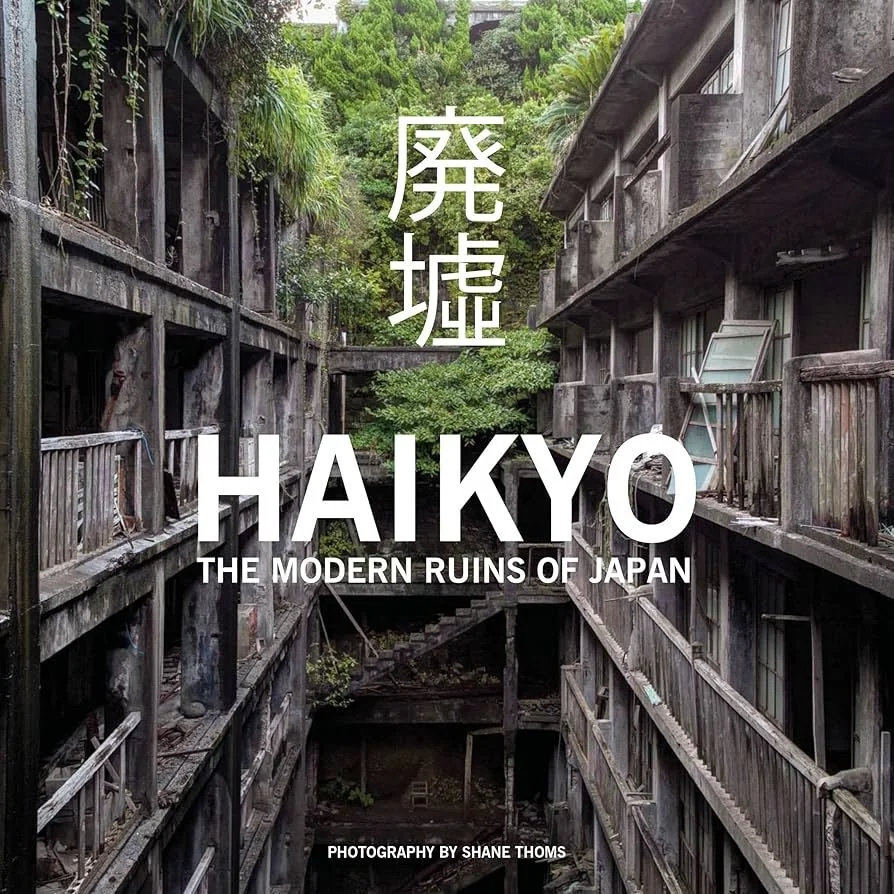
There is a particular kind of silence that exists only in abandoned places. It is not the peaceful quiet of nature, nor the calm of an empty room at night. It is a silence layered with absence, memory, and the weight of time. Haikyo: The Modern Ruins of Japan by Shane Thoms captures this silence with striking clarity and emotional depth. More than a photography book, Haikyo is an invitation to slow down, observe, and confront the fragile impermanence of human ambition.
In a world obsessed with progress, speed, and constant renewal, this book chooses to look backward or perhaps inward. It asks what happens when places are no longer useful, when they are forgotten, and when nature begins to reclaim what was once meticulously built. Through his lens, Shane Thoms documents abandoned structures across Japan, and in doing so reveals a side of the country that is rarely acknowledged, yet deeply telling.
Understanding the Meaning of Haikyo
The word haikyo translates simply to “ruins,” but within Japanese culture it has taken on a broader meaning. Haikyo refers to abandoned buildings and the act of exploring them. These spaces include former hotels, hospitals, schools, factories, amusement parks, and entire neighborhoods that once played an important role in the lives of local communities. Unlike ruins from ancient civilizations, these places are distinctly modern. Many were abandoned only a few decades ago, which makes their deterioration feel especially unsettling.
Shane Thoms approaches haikyo not as a thrill-seeking explorer, but as a careful observer. His work is respectful, restrained, and deeply attentive to detail. He does not disturb or rearrange what he finds. Instead, he documents these spaces exactly as they exist, capturing a moment in an ongoing process of decay. This approach lends authenticity to the images and allows the viewer to engage with the locations honestly rather than sensationally.
A Journey Across a Forgotten Japan
One of the most compelling aspects of Haikyo is its geographic range. The book spans the length of Japan, from northern regions to southern islands. Each location reflects a different chapter in Japan’s postwar history, including periods of rapid economic growth, industrial expansion, and later decline.
Many of the abandoned sites featured in the book were once symbols of optimism and success. Resorts promised luxury and escape. Hospitals represented progress and care. Schools embodied the future. Now these same buildings stand empty, their purposes erased, but their physical presence stubbornly intact.
Thoms photographs former mining towns that collapsed after resources ran dry. He documents resorts on remote islands that failed when tourism slowed. He enters schools where desks remain aligned and chalkboards still display faded writing. These are not ancient relics. They are places that people alive today once visited, worked in, and depended on.
The Emotional Power of Stillness
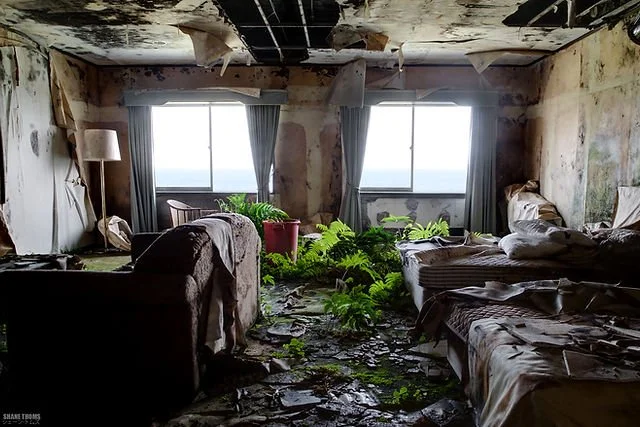
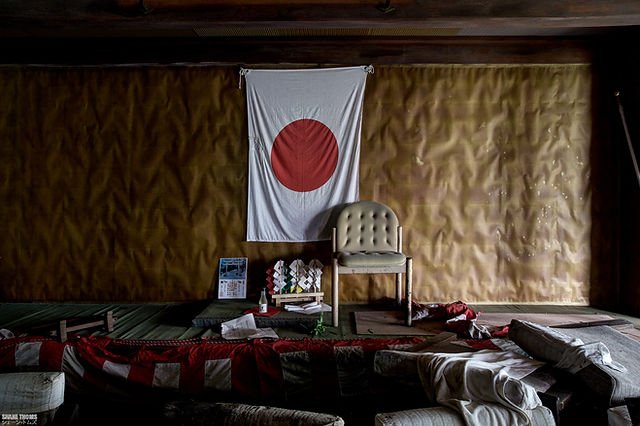
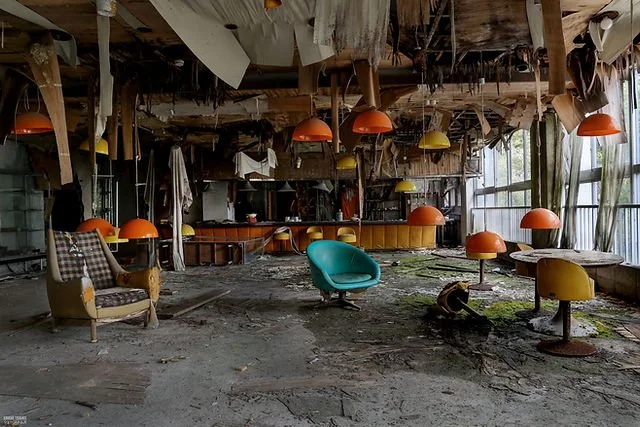
What makes Haikyo truly powerful is not just what it shows, but how it makes the viewer feel. The photographs are quiet. There are no people present and no signs of recent activity. Dust covers surfaces, light filters through broken windows, and plants push through concrete floors. Every image seems to exist outside of time.
This stillness evokes a range of emotions. There is melancholy in seeing places once filled with life now empty and deteriorating. There is curiosity about the people who once occupied these spaces and what their lives were like. There is also a strange sense of peace as nature slowly softens the sharp edges of human construction.
Thoms avoids dramatic lighting or heavy editing. The colors are muted and natural, emphasizing authenticity rather than spectacle. This restraint allows the emotional weight of the scenes to emerge organically. The viewer is not told how to feel, but is instead given space to reflect.
Objects That Tell Stories
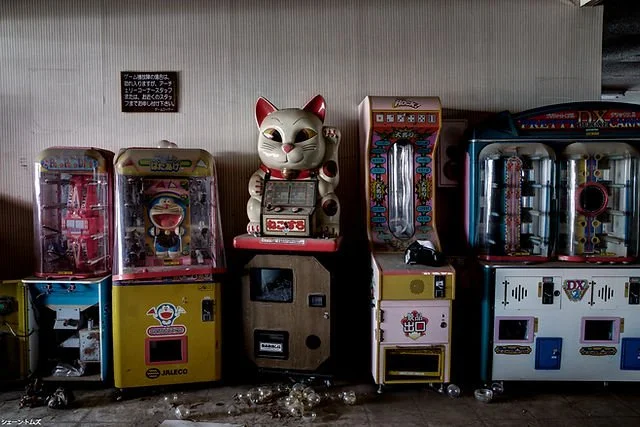
One of the most striking elements of Haikyo is the attention paid to small details. Thoms often focuses on objects left behind that hint at the daily lives once lived within these walls. Televisions sit silently in dusty rooms. Chairs remain pushed under tables. Calendars hang open to long-past months. Shoes rest by doorways, as if their owners intended to return.
These objects act as silent storytellers. They suggest routine, familiarity, and human presence without showing a single person. They also heighten the sense of sudden absence. Something happened that caused these places to be abandoned, yet the book rarely explains what that something was. Instead, it allows the viewer to imagine the circumstances and consequences.
This ambiguity is one of the book’s strengths. By withholding detailed explanations, Thoms encourages deeper engagement. Each reader brings their own interpretations, emotions, and memories to the images, making the experience personal and subjective.
Nature as a Quiet Reclaimer
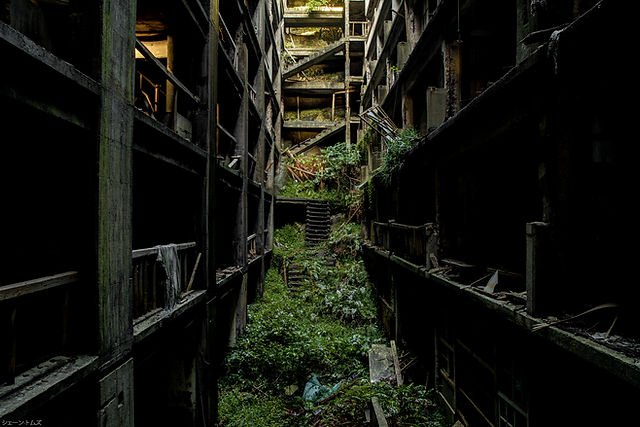
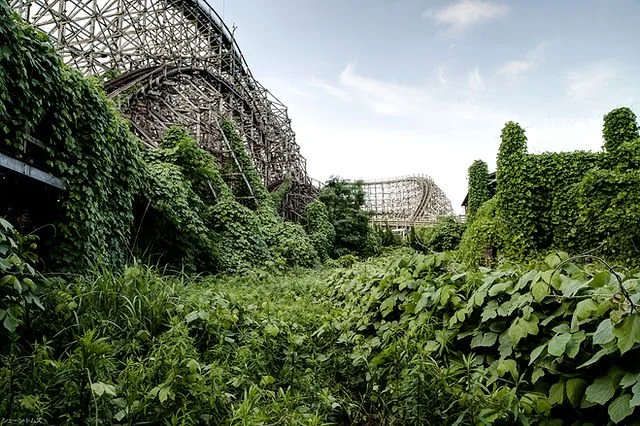
Throughout Haikyo, nature is a constant presence. Plants, vines, moss, and trees appear in nearly every photograph. They grow through cracked floors, wrap around staircases, and spill through windows. In many images, nature feels less like an intruder and more like a caretaker, gently reclaiming what was left behind.
This relationship between nature and architecture is a central theme of the book. Rather than portraying decay as purely negative, Thoms presents it as a natural and inevitable process. Human structures are temporary; nature is persistent. Over time, the boundary between the two blurs, creating scenes that are both eerie and beautiful.
In some photographs, entire rooms are overtaken by greenery, transforming spaces of neglect into unexpected gardens. These moments offer a quiet optimism, suggesting that even in abandonment, there is renewal.
A Reflection on Modern Society
While Haikyo focuses on Japan, its themes are universal. The abandoned spaces depicted in the book are not unique to one country. They exist wherever economic shifts, demographic changes, and evolving priorities leave infrastructure behind. In this way, the book serves as a broader commentary on modern society.
Haikyo raises questions about consumption, development, and sustainability. Why do societies build so much, only to discard it so quickly? What responsibilities do we have to the spaces we create? How do we honor the lives and labor connected to these places once they are no longer useful?
The book does not offer answers. Instead, it creates a space for contemplation. By slowing the viewer down and asking them to sit with these images, Thoms encourages a more thoughtful relationship with the built environment.
The Absence of Text as a Creative Choice
Haikyo contains minimal written content. There are no lengthy captions or detailed historical explanations accompanying each photograph. This decision may frustrate some readers who crave context and factual information. However, it is also one of the book’s defining characteristics.
The lack of text allows the images to stand on their own. It shifts the focus from information to experience. Rather than reading about abandonment, the viewer sees and feels it. This approach aligns with the book’s contemplative tone and reinforces its emotional impact.
For readers who enjoy visual storytelling and open interpretation, this will feel liberating. For those who prefer structured narratives, it may feel incomplete. Ultimately, the success of this choice depends on what the reader hopes to gain from the book.
Who Will Appreciate This Book Most
Haikyo will resonate deeply with readers who appreciate photography, art, architecture, and urban exploration. It will also appeal to those interested in Japanese culture beyond its polished surface. This is not a book about neon lights or crowded streets; it is about what exists after the crowds leave.
It works well as a coffee table book, inviting casual browsing, but it also rewards careful, prolonged viewing. Each photograph reveals new details over time, making repeat visits worthwhile.
Even readers unfamiliar with Japan will find the book accessible. The emotions it evokes are universal, and the themes it explores transcend geography.
A Lingering Impression
Haikyo is not a book that rushes to impress. It unfolds slowly, quietly, and deliberately. Its power lies in what it does not say as much as in what it shows. Long after closing the book, the images linger in the mind like half-remembered dreams.
Shane Thoms has created more than a record of abandoned places. He has crafted a visual meditation on loss, memory, and the passage of time. Haikyo reminds us that everything we build is temporary, and that beauty can be found even in decline.
In an age of constant motion and distraction, this book asks the reader to pause, to look closely, to listen to the silence. And in doing so, it offers a rare and meaningful experience.
All photographs are copyright of Shane Thoms.
You can find Shane's work at:
www.shanethoms.com